
Baraja de Lotería Mexicana ®
Runo NetworksCard
4.71.28K Reviews
- Version
- 1.10.42
- Installs
- 10.00M
- Age Rating
- Everyone
Screenshots


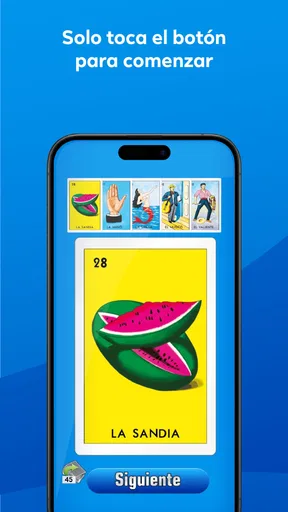
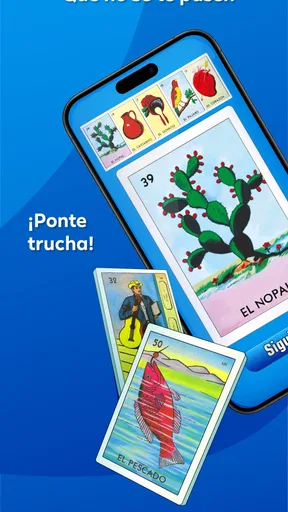
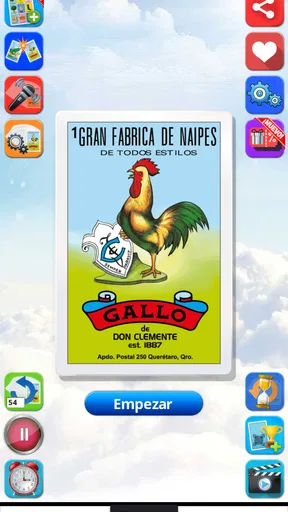
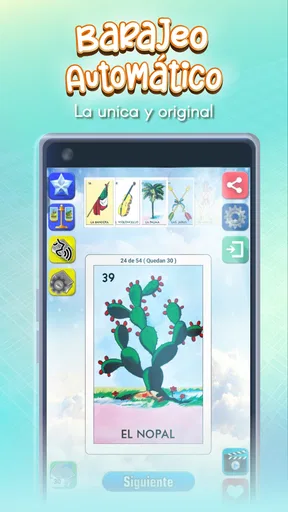
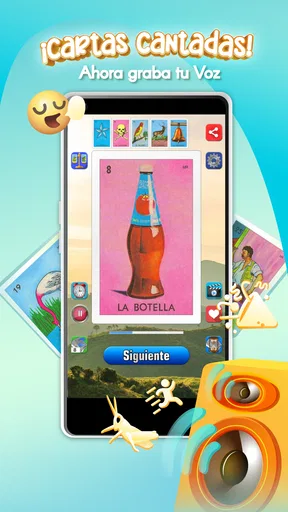
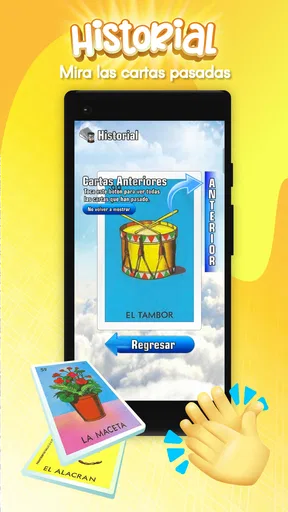
Our Review of Baraja de Lotería Mexicana ®
 Analysis by Appyee
I approached Baraja de Lotería Mexicana ® as the kind of game you install when you want a quick, familiar card experience rather than a complicated strategy title. Developed by Runo Networks, it brings the traditional Mexican lottery format to Android in a visual and audible package, with the original images, voice, and sound highlighted as part of the experience. After spending time with it, my impression is that its main strength is how quickly it turns a phone into a small table for casual play.
This is a free card game for Everyone, so it is easy to recommend for families, friends, and players who prefer recognizable rules over a long tutorial. It has reached more than ten million installs and holds a 4.7 average from roughly thirty-seven thousand ratings, which gives a useful sense of its broad appeal without changing the fact that the right choice depends on how you like to play. If you want deep deck-building, competitive ranking, or a large campaign, this is not aimed at you. If you want Lotería that feels close to the traditional draw-and-mark rhythm, it makes a strong first impression.
What to expect when you open the game
The first thing to understand is that this is not a modern collectible card game dressed up as Lotería. You are not building a deck, unlocking heroes, or learning a long chain of effects. The appeal comes from the cards themselves, the familiar illustrations, and the anticipation of hearing the next call. That simplicity is important: the game works best when you treat it as a digital version of a social pastime, not as a competitive strategy product.
The original imagery gives the experience its identity. Each card is easy to recognize, and the visual style matters because Lotería depends on matching what is called with what appears on your board. The voice and sound also help preserve the atmosphere. I found that audio makes the game feel more like a shared activity, while playing silently makes it more practical for a waiting room, a commute, or a short break.
That flexibility is one of the more useful qualities here. You can use it as a quick solo distraction, but its real personality appears when people are sitting together and passing the phone around or watching the same screen. It is especially suitable for someone introducing Lotería to a younger player who may know the images but has not played with a physical deck.
The game is free to install, although it includes optional in-app purchases ranging from $0.99 to $199.99 per item. I would keep that in mind before handing the device to a child. The age classification is Everyone, but an age label does not remove the need for sensible purchase controls on a shared phone or tablet.
Why the audio changes the experience
Many digital card games can be understood perfectly well with the sound off, and this one is no exception. However, the voice gives the calls a more recognizable rhythm than simply watching cards appear. My practical tip is to try one round with audio enabled before deciding whether you prefer silent play. If you are using the game in a group, the sound can make everyone pay attention to the same moment instead of one person quietly checking the screen.
There is also a trade-off. Audio is helpful in a social setting, but it is not always appropriate in public or late at night. Because the game’s charm is partly tied to its calls and sounds, muting it removes some atmosphere. I would use headphones for private play or silence the device when the goal is simply to pass a few minutes.
Who will enjoy it most
I would recommend it first to people who already know the basic idea of Mexican Lotería, because they can begin immediately and focus on the cards. It is also a good entry point for someone who has only seen the physical game and wants to understand the flow without gathering a full group, finding a deck, and preparing boards.
Families may appreciate the Everyone rating and the straightforward format, but I would still explain the rules rather than assuming the app will teach every social custom associated with the physical game. Players who enjoy the ceremony of a caller, beans or tokens, and several people reacting around a table may find the phone version less warm. The app recreates the game’s central action, not the entire occasion surrounding it.
On the other hand, I would steer away from this title if your priority is constant novelty. Traditional Lotería has a fixed identity, and that is exactly why it works. It does not need elaborate progression to be enjoyable, but players who expect new mechanics, character upgrades, or a changing competitive ladder may find the experience limited after the initial curiosity fades.
Getting ready for the first round
The setup is intentionally approachable. Install the game, open it, and give yourself a moment to identify the main play area before trying to make sense of every control. My advice for a first-time user is not to rush through the opening screen. Look for the place where the current card is shown and where your board or matching area is displayed. Once you know those two locations, the rest of the round becomes much easier to follow.
Because this is a card game rather than a large action title, the important preparation is mental rather than technical. Decide whether you want sound on, keep the device at a comfortable viewing angle, and make sure everyone playing can see the screen if you are sharing it. A small phone can work for one person, but a larger display is more comfortable when several people are checking the same board.
The current version is 1.10.42 and requires Android 6.0 or later. That makes compatibility worth checking before installation, especially if you are reviving an older device for a child or for family game nights. I would also install it before an event rather than waiting until everyone is ready, since a quick test lets you confirm that the screen is readable and the audio suits the room.
Runo Networks is the developer behind the game, and the title has been available since September 27, 2015. Its long presence helps explain why it feels like an established interpretation of the format rather than a temporary novelty. Still, I would judge it by your own device and playing environment: a game that is comfortable on a tablet may feel cramped on a small handset.
The simplest way to learn the interface
For the first round, ignore the urge to optimize. Watch the called card, locate the same image on your board, and tap or mark it only when you are sure. This sounds obvious, but new players often concentrate on the sound and forget to compare the image, or they stare at the board and miss the next call. Splitting attention between audio and visuals is the main adjustment.
A useful routine is to say the card name quietly to yourself, find its picture, and then check the rest of the board before waiting for the next call. This creates a steady rhythm and reduces accidental taps. It is also a good way to teach a child: let the child identify the picture first, then help with the marking step instead of doing everything for them.
If you are playing with friends, agree beforehand on what counts as a win and who is responsible for watching the board. The digital format may make the mechanics clear, but it cannot settle every house rule or social disagreement. Establishing that before the first meaningful round prevents the familiar “I had it first” problem from interrupting the fun.
Reaching the first successful action
Your first real success is not installing the game or opening a menu; it is correctly matching a called card on your board. I suggest treating the first round as practice and resisting the temptation to judge the entire game by whether you win immediately. The important milestone is recognizing the visual pattern, following the call, and making a confident mark without needing to stop and ask what to do.
Once you have made a few correct matches, the game becomes much less intimidating. The board stops looking like a collection of unfamiliar pictures and starts functioning as a set of locations you remember. This is where the original images and voice work together: the sound prompts your attention, and the artwork confirms the match.
For a group session, I would begin with a short, low-pressure round. Let everyone watch how the calls appear and how the board responds. After that, start again with the expectation that players will be faster. This approach is more reassuring than explaining every possibility before anyone touches the screen, especially for relatives who are less comfortable with mobile games.
One less obvious advantage of digital play is that it removes some preparation friction. You do not need to shuffle a physical deck, search for missing pieces, or clean up tokens afterward. That makes it useful for spontaneous moments, such as a family waiting for food at a restaurant or friends looking for a simple activity during a pause in a gathering. The trade-off is that the phone becomes the center of attention, so it can feel less communal than a physical board spread across a table.
Common points of confusion
The biggest source of confusion for a new player is usually the difference between seeing a card and successfully matching it. The called image may be obvious, but the board can contain several colorful illustrations competing for attention. Take a second to verify the picture rather than tapping quickly because the name sounded familiar. Accuracy matters more than speed while you are learning.
Another possible stumbling block is assuming that the app will reproduce every part of a traditional family game exactly as you remember it. Digital Lotería can present the cards, voice, and sounds, but the social rules around turns, claims, and winning may vary from household to household. If you are playing with people who learned different versions, agree on the rules before starting instead of treating the app as the referee for every tradition.
Audio can create confusion too. In a noisy room, a call may be missed, and a player may not know whether the last card has already appeared. When that happens, rely on the visible card and ask the group to pause for a moment. In a quiet room, the opposite problem can occur: a loud call may distract someone who is not actively playing. The best setup depends on the environment, not just on the game’s default presentation.
Some users may also wonder whether the game is suitable for a very young child because it is rated Everyone. I see it as accessible, but supervision is still sensible when the device has purchases enabled. The optional items can cost from $0.99 up to $199.99 each, so I would configure the device’s purchase protections before letting a child explore independently. That is a practical precaution, not a criticism of the core card experience.
Where it differs from physical cards and other mobile games
Compared with a physical Lotería set, the app is faster to start and easier to carry. It supplies the imagery, the calls, and the matching surface in one place. It is a better option when you are alone, traveling light, or missing a physical deck. The physical version remains better when the goal is a larger shared ritual, with several boards on a table and people reacting face to face.
Compared with other mobile card games, this title is unusually focused. A typical digital card game may ask you to manage resources, collect cards, or learn changing effects. Here, the pleasure comes from recognition, timing, and the familiar sequence of calls. That makes it easier to introduce but gives it less long-term variety for players who need a sense of progression.
I also would not compare it directly with a poker or solitaire app. Those games are usually built around individual decisions, probability, or repeated personal challenges. This one is closer to a shared draw-and-match activity, even when you play alone. Choosing between them depends on whether you want social recognition and tradition or a more strategic solo puzzle.
Making the next session better
After your first successful round, the best next step is to use the game deliberately rather than simply opening it whenever you are bored. For a family, set aside a short session and let a different person control the device each time. That keeps one player from becoming the permanent caller and makes the digital format feel more participatory.
If you are introducing the game to someone unfamiliar with the images, use the first session as a recognition exercise. Do not correct every hesitation immediately. Let the player listen, scan the board, and build a connection between the spoken call and the illustration. This is especially helpful for children or relatives who understand the rules but are slower at identifying the artwork.
For solo use, I would treat it as a compact break rather than a substitute for a full tabletop gathering. Play with the sound on when you want atmosphere, and with it off when you need discretion. If the board feels crowded on your phone, rotate the device or move to a larger screen if available; comfort and visibility affect the experience more than any advanced technique.
It is also worth deciding whether the free version already meets your needs before considering any optional purchase. The core attraction is the Lotería format itself, so I would not spend simply because the store offers additional items. First establish that you enjoy the calls, images, and pace. A purchase makes sense only if it adds something you genuinely want for your own sessions, not because you feel expected to unlock more.
At the time of writing, the game’s 4.7 average and broad install base suggest that many people find this focused approach satisfying. I see those figures as context rather than a guarantee. Someone looking for a faithful, low-friction way to play Mexican Lotería on a phone will probably understand the appeal quickly. Someone searching for a deep card system should move on to a strategy-oriented alternative instead.
My final recommendation is straightforward: install it if you want the recognizable cards, voice, and sounds of Lotería without carrying a physical set. Give the first round a few minutes, learn where the called card and your board appear, and use a calm pace until matching feels natural. Its strongest feature is not complexity but immediacy: it gets a traditional card activity ready for a quick solo break or an informal group session with very little preparation.
I would skip it only if the phone itself would weaken the experience you are trying to create, or if you need strategic depth and constant new challenges. For everyone else, Baraja de Lotería Mexicana ® is a friendly, accessible card game that succeeds by respecting the simple pleasure of hearing a call, spotting the image, and waiting to see whether the next card completes your board.
Verdict
Strengths of Baraja de Lotería Mexicana ®
- Faithful Mexican lotería experience with colorful, traditional card artwork.
- Simple controls make it accessible for casual players of any age.
- Useful for learning traditional card names and Mexican cultural references.
- Quick rounds work well for short play sessions.
- Can provide entertaining family-style gameplay on mobile devices.
Limitations of Baraja de Lotería Mexicana ®
- May feel repetitive once you have played many rounds.
- Requires several players for the most enjoyable traditional experience.
- Some features or content may depend on ads or in-app purchases.
- Small screens can make cards and board details harder to see.
- The app may not fully replace the atmosphere of a physical lotería set.
Similar Picks in This Category
View All
Solitaire - Classic Card Games
MobilityWare4.6

UNO!™
Mattel163 Limited4.3

Spider Solitaire: Card Games
MobilityWare4.6

Solitaire.com - Classic Cards
Tripledot Studios Limited4.7

Plants vs. Zombies™ Heroes
ELECTRONIC ARTS4.1

Hearthstone
Blizzard Entertainment, Inc.4.1
Frequently Asked Questions
What is Baraja de Lotería Mexicana ®?
Baraja de Lotería Mexicana ® is a digital version of the traditional Mexican bingo-style card game. It recreates the familiar deck of illustrated cards, including iconic figures such as El Catrín, La Sirena, and El Sol. Depending on the available mode, you may be able to play casually, practice calling cards, or enjoy matches with friends and family on a mobile device.
How do you play Baraja de Lotería Mexicana ®?
The game follows the basic rules of Mexican Lotería. Each player receives a board containing different images, while a caller reveals cards from the deck. When a revealed image appears on your board, you mark it. The objective is usually to complete a required pattern or the entire board before the other players. Check the in-app instructions because winning conditions and available modes may vary.
Can I play Baraja de Lotería Mexicana ® without an internet connection?
Offline availability depends on the specific version and features offered by the application. Some editions may allow solo play or access to previously downloaded content without an internet connection, while online multiplayer, advertisements, updates, and social features generally require access to the internet. It is recommended to review the app listing and test the main game mode before relying on it offline.
Does Baraja de Lotería Mexicana ® support multiplayer games?
Many digital Lotería applications are designed for playing with family or friends, but the exact multiplayer options can differ. The app may offer local play on one device, private rooms, online matches, or a caller mode. Before downloading, verify whether players need separate devices, accounts, or an internet connection, especially if you want to organize a remote game with people in different locations.
Is Baraja de Lotería Mexicana ® suitable for children and families?
The simple rules and colorful traditional artwork generally make Baraja de Lotería Mexicana ® suitable for family entertainment. However, parents should review the app’s age rating, advertising, in-app purchases, chat functions, and privacy permissions before allowing children to use it. The game itself is usually non-violent, but online interactions and external links may require supervision depending on the version installed.
Play our best games!


